Budgeting Reliability for Edge AI in Harsh Robotics Deployments
Budgeting Reliability for Edge AI in Harsh Robotics Deployments Robotics teams love showing off autonomy demos; CFOs care about whether the system still works after 2,000 field hours in blowing dust. Treating edge AI like any other engineered subsystem—with its own reliability budget, telemetry, and controls—keeps the promise of autonomy from collapsing under real-world noise. […]
Desert-Ready Autonomous Inspection Rovers for Mega Solar Parks
Desert-Ready Autonomous Inspection Rovers for Mega Solar Parks The Gulf is stacking record-breaking solar acreage every quarter, but most operators still rely on human spot checks. By the time a technician catches a string failure, the sand and heat have already eaten into yield. Deploying autonomous inspection rovers that are purpose-built for desert mega parks […]
Write an AI Reliability Budget Before You Ship Automation
Outline for the 09:05 Dubai AI post on building an error budget and eval harness.
How Offshore Wind Robots Share the Tower
Outline for the 09:00 Dubai robotics post on crawler + tethered drone inspection loops.
Build Retrieval-Native Copilots for Operations Teams
Outline for the 09:05 Dubai AI post on accountable ops copilots.
Solar Megafarm Inspection Robots Need Mission-Grade Playbooks
Outline for the 09:00 Dubai robotics post on desert-hardened inspection fleets.
AI Investor Briefings Need Scenario Memory, Not Bigger Models
Structure board questions as prompts, keep scenario cards fresh, and capture reviewer telemetry so every 09:05 Dubai post reads like a confident investor update.
Robotics Surge Playbook: Keeping AMRs Calm During Eid Peaks
Map surge signals, run a three-touchpoint war room, and layer redundancy across batteries, networks, and people so GCC warehouses breeze through Eid volume spikes.
Neuro-Symbolic Robots Just Cut Their Energy Bill by 100×
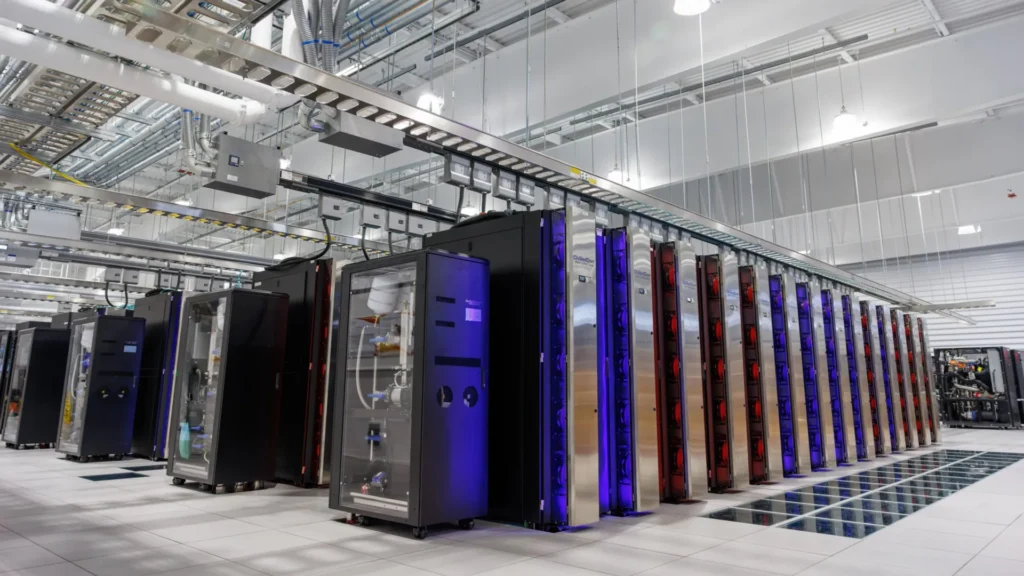
Tufts researchers fused neural perception with symbolic planning so robots solve puzzles faster, generalize better, and sip just 1–5% of the energy of today’s VLAs.
A 700°C Memristor Just Opened Edge AI’s Hottest Frontier

USC’s tungsten–hafnium oxide–graphene memristor ran for billions of cycles at 700 °C, pointing to AI accelerators that can live inside furnaces, reactors, and Venus landers.